Ecological impacts of fire ant bait
Understanding the effects of fire ant bait on our ecosystems and agricultural lands in the Gympie region.

Land stewardship and long-term consequences
Farmers in the Gympie region bear direct ownership responsibility for the stewardship of productive land, ensuring food health standards, safeguarding water systems, promoting soil health, fostering pasture resilience, and optimising food production outcomes. Importantly, landholders also face the long-term consequences of degraded soil systems, declining productivity, and ecological stress that may follow repeated intervention cycles over time with broadcast baits. Understanding these responsibilities and potential impacts is crucial for sustainable farming practices.
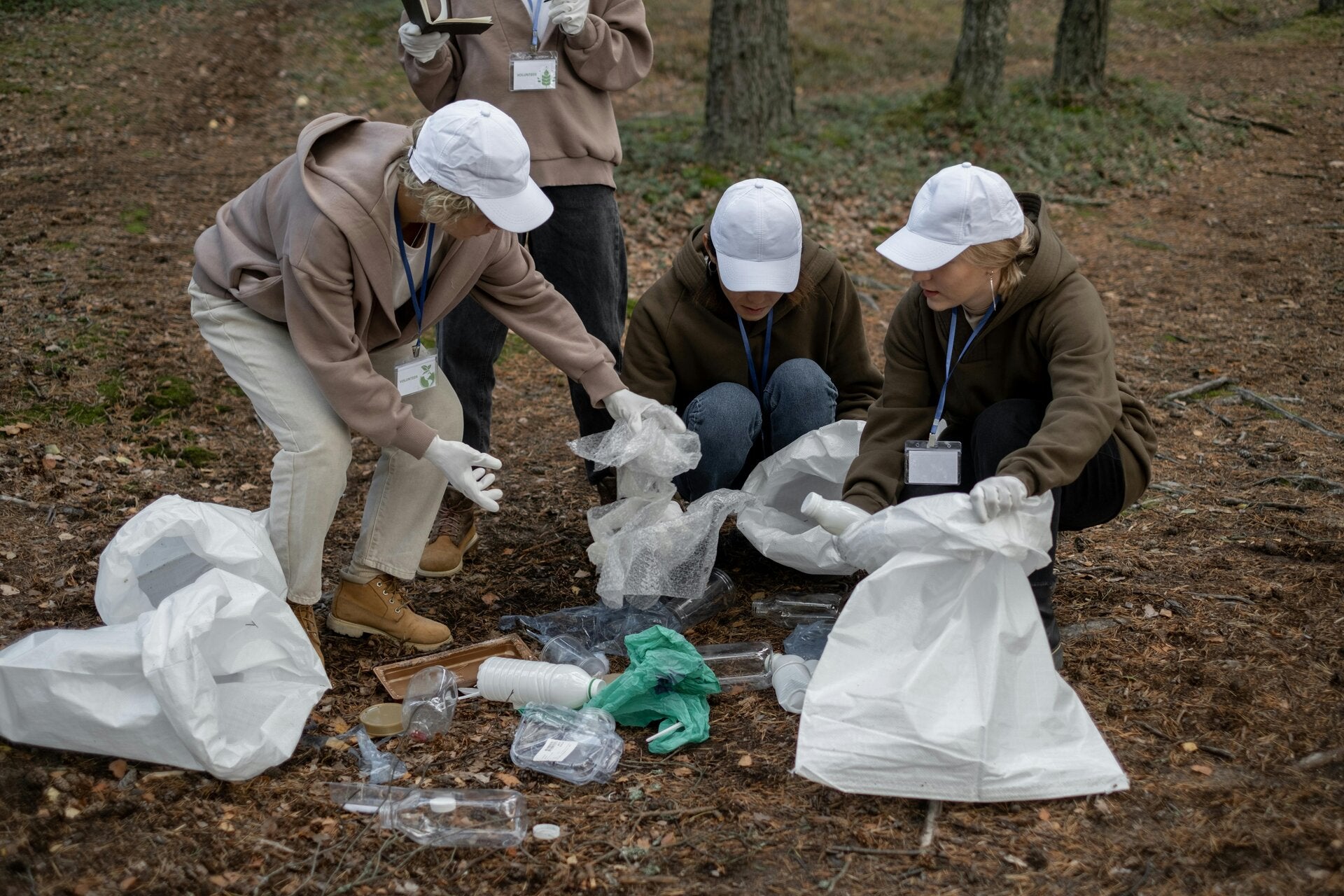
The role of landholders in pest management
As landholders in the Gympie region, we firmly believe that the people living and working on the land must be an integral part of the long-term solution to fire ant management. Our collective knowledge and direct engagement are vital for developing effective and sustainable strategies that protect both our natural ecosystems and our vital farming industry. We aim to empower both farmers and the general community with the information and tools needed to contribute meaningfully.

Strengthening resilience through soil intelligence
Crucially, integrating a framework for land resilience, particularly through 'Soil Intelligence', is key to eradicating these pests. This approach is not proposed as a replacement for existing government treatment and containment systems, nor as a criticism of current programs. Rather, it is intended to strengthen landholder participation, improve preparedness and resilience to detract invasion of fire ants on lands, support biologically evidenced ecological recovery, and assist long-term resilience outcomes alongside existing government efforts. Our goal is to reach both farmers and the general community with this vital information.
Create Your Own Website With Webador